
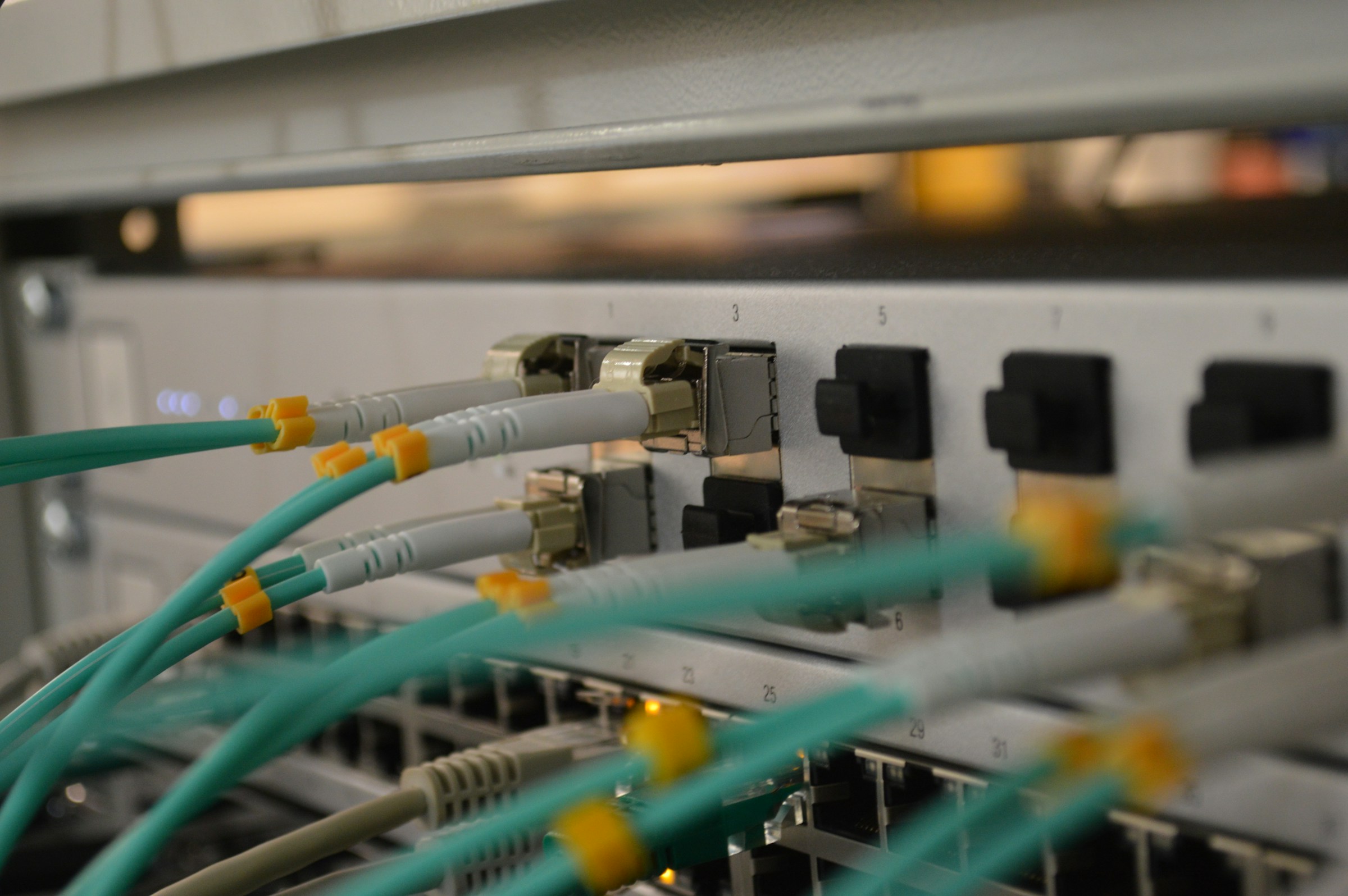
“Unleashing the Power of Ethernet Cables: A Comprehensive Guide”
In the world of networking, the Ethernet cable stands as a fundamental component, facilitating seamless connectivity and data transfer. Whether you’re a tech enthusiast, a professional gamer, or a business owner, understanding the nuances of Ethernet cables can significantly enhance your digital experience.
1. The Basics of Ethernet Cables: Ethernet cables, also known as LAN cables or Cat cables, are the backbone of local area networks. They come in various categories, each designed to meet specific performance standards. Cat5e, Cat6, Cat6a, and Cat7 are among the most common categories available today, offering different data transfer speeds and capabilities.
2. Speed and Performance: One of the primary considerations when choosing an Ethernet cable is its speed and performance. Cat5e cables support up to 1 Gbps (gigabit per second) speeds, while Cat6 and above can handle higher data rates, making them suitable for demanding applications like gaming and 4K video streaming. Understanding your network’s requirements is crucial in selecting the right cable for optimal performance.
3. Shielded vs. Unshielded Cables: Ethernet cables come in two main varieties: shielded and unshielded. Shielded cables are equipped with additional protection against electromagnetic interference (EMI), making them ideal for environments with high electronic noise. Unshielded cables are more common and suitable for standard residential and office use. Choosing the right type depends on your specific needs and the environment in which the cables will be installed.
4. Cable Length Matters: While Ethernet cables offer reliable connectivity, the length of the cable can impact performance. In general, shorter cables provide better performance than longer ones. It’s essential to choose the appropriate cable length based on your network setup to avoid signal degradation and ensure a stable connection.
5. Future-Proofing with Higher Categories: Investing in higher-category Ethernet cables, such as Cat6a or Cat7, can provide a level of future-proofing for your network infrastructure. As technology advances, these cables can support faster data transfer rates and evolving networking standards, ensuring your system remains up-to-date.
In conclusion, Ethernet cables play a pivotal role in shaping the efficiency and reliability of your network. Understanding the different categories, performance factors, and environmental considerations can help you make informed decisions when selecting Ethernet cables for your specific needs.