
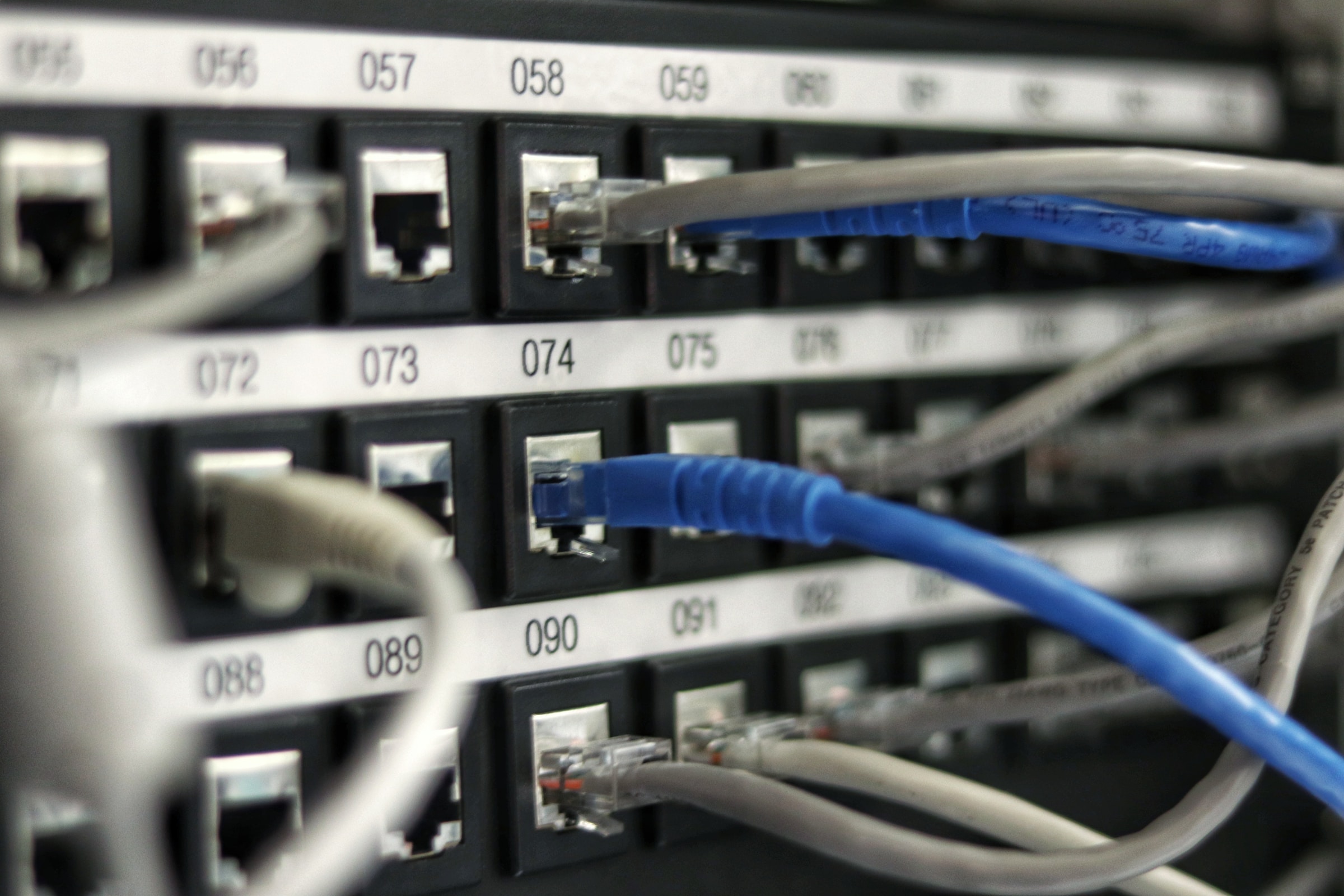
“Navigating the Ethernet Cable Landscape: A Buyer’s Guide”
Choosing the right Ethernet cable for your specific needs can be a daunting task given the plethora of options available in the market. In this comprehensive buyer’s guide, we’ll break down the key factors to consider when purchasing an Ethernet cable, ensuring you make an informed decision tailored to your requirements.
1. Cable Categories Demystified: Ethernet cables are categorized based on their performance standards. The most common categories are Cat5e, Cat6, Cat6a, and Cat7. Understanding these categories is essential as they dictate the cable’s data transfer speed and capabilities. For general home use, Cat5e may suffice, while Cat6 and above are recommended for applications requiring higher bandwidth.
2. Speed Matters: The speed of an Ethernet cable is a critical factor, especially for demanding applications like online gaming and high-definition video streaming. Different cable categories support varying data transfer speeds, with Cat5e typically handling up to 1 Gbps, Cat6 up to 10 Gbps, and Cat6a and Cat7 supporting even higher speeds. Assess your network requirements to choose a cable that aligns with your speed needs.
3. Shielded vs. Unshielded Cables: Ethernet cables come in shielded and unshielded variants. Shielded cables have additional protection against electromagnetic interference (EMI), making them suitable for environments with electronic noise. Unshielded cables, on the other hand, are more common for standard residential and office use. Consider the environment in which the cables will be installed to determine whether shielding is necessary.
4. Cable Length Considerations: The length of an Ethernet cable can impact its performance. While shorter cables generally provide better performance, it’s crucial to choose a length that suits your specific network setup. Avoid excessive cable lengths to prevent signal degradation, ensuring a stable and reliable connection.
5. Future-Proofing Your Network: Investing in higher-category Ethernet cables, such as Cat6a or Cat7, can future-proof your network infrastructure. As technology advances, these cables can support faster data transfer rates and evolving networking standards, saving you from frequent upgrades. Assess your long-term needs to determine the appropriate cable category for future-proofing.
By navigating the Ethernet cable landscape with these considerations in mind, you can confidently select a cable that meets your performance requirements and aligns with the specific demands of your network.